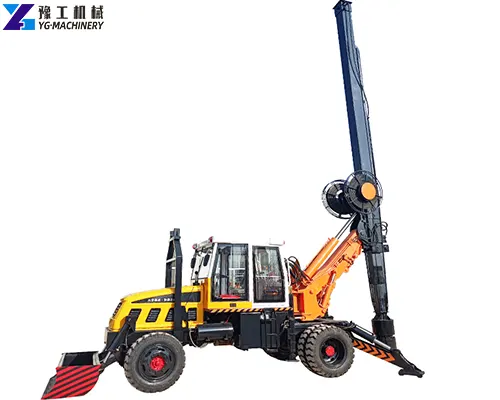
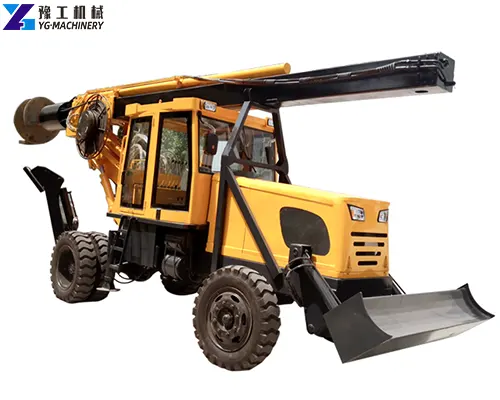
Why Are Small Rotary Drilling Rigs the Preferred Choice for Drilling in Rural Suriname?
Suriname is located in northern South America, with a predominantly tropical rainforest climate and annual rainfall exceeding 2000 mm. The northern coastal areas have many swampy, soft soils; the central plains have loose soil layers, and the southern hills have scattered hard rock formations. Local rural areas face three main challenges in drilling for drinking water and small-scale infrastructure projects: muddy rainforest roads preventing access to large equipment; soft soil layers leading to borehole collapse and poor well quality; and a long rainy season with a short working window. Small rotary drilling rigs, with their small size, high mobility, and high efficiency in drilling soft soils, have become the most popular drilling equipment in the region.
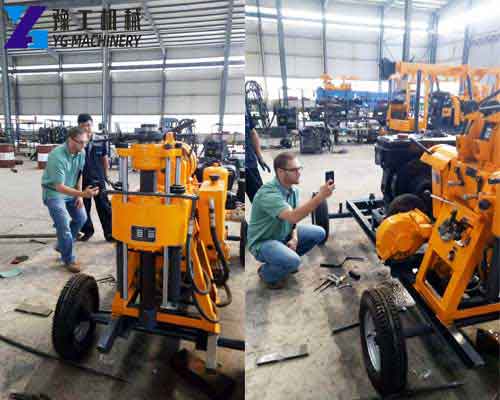
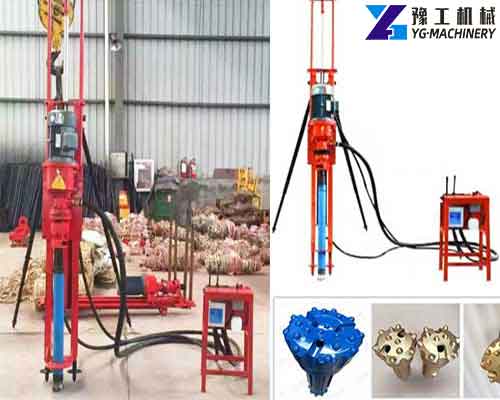
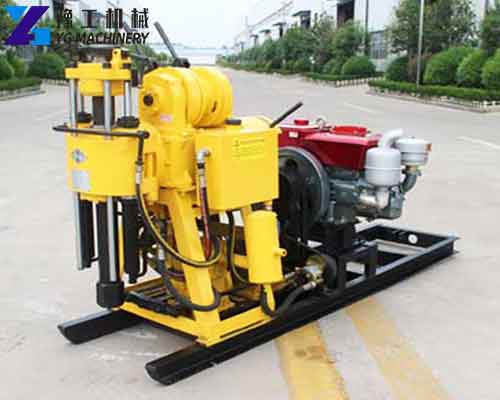
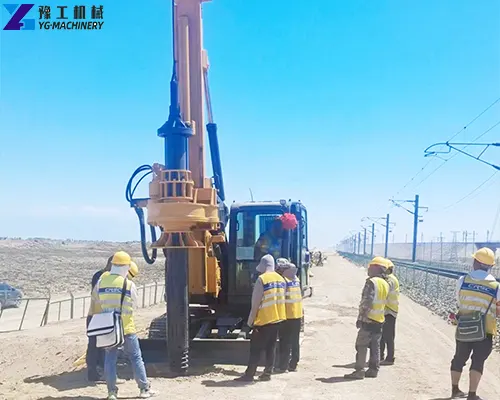
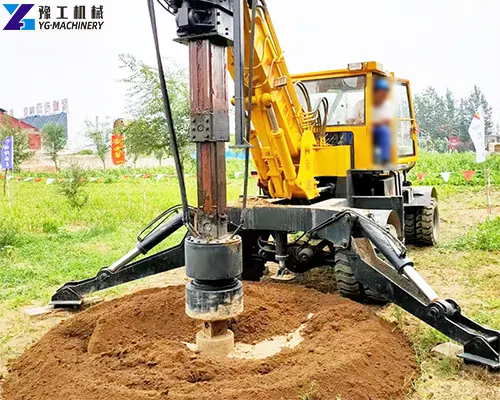
This equipment also belongs to the portable rotary drilling rig category and is also known in the industry as a small hydraulic rotary drilling rig or a tracked water well drilling rig. It is currently used in large quantities in northern South American countries such as Suriname, Guyana, and French Guiana, and is widely suitable for rural drinking water wells, irrigation wells, and small-scale infrastructure dewatering wells. If your project also requires rotary drilling rigs, please contact us now for more product information.
Click to Get More Product Information on Rotary Drilling Rigs
YG Hot-sale Small Rotary Drilling Equipment Technical Parameter
| Model | YG-525 | YG-530 | YG-535 |
| Max. Drilling Diameter | 1500mm | 1500mm | 1500mm |
| Max. Drilling Depth | 25m | 30m | 35m |
| Rated Power | 156/2400r/min | 156/2000r/min | 156/2200r/min |
| Max. output torque | 110kN·m | 110kN·m | 120kN·m |
| Rotary speed | 7-33r/min | 17-50r/min | 17-45r/min |
| Max. pull-down piston push | 100kN | 100kN | 100kN |
| Max. pull-down piston pull | 120kN | 100kN | 100kN |
| Max. traveling speed | 3km/h | 2.6km/h | 2.6km/h |
| Min. ground clearance | 340mm | 340mm | 340mm |
| Approach angle | 21° | 21° | 21° |
| Overall Drilling Weight | 26t | 30t | 35t |
Click to Get More Product Information on Rotary Drilling Rigs
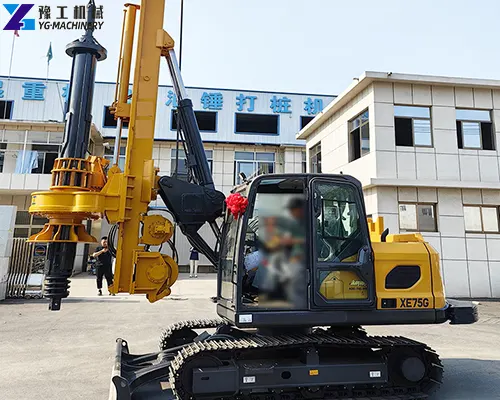
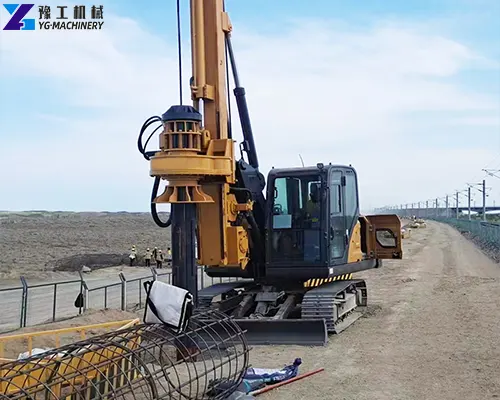
Case Study: Rural Drinking Water Well Project in Paramaribo, Suriname
Project Background and Local Construction Challenges
This case study is located in a rural settlement in southeastern Paramaribo, Suriname. It is part of a government-led rural drinking water improvement project, requiring the drilling of 80 drinking water wells, each 80 meters deep. The area features typical rainforest alluvial plain topsoil, with a 3-5 meter thick layer of humus, followed by soft clay and fine sand layers, interspersed with pebbles. Most roads in the area are dirt roads, becoming extremely muddy during the rainy season, making it difficult for vehicles weighing over 3 tons to pass.
The client previously used simple percussion drilling rigs, facing four major pain points:
- Equipment access difficulties: Large drilling rigs could not traverse muddy village roads, requiring manual transport of small components, which was time-consuming and labor-intensive.
- Severe borehole collapse in soft soil: Sandy and soft clay layers were prone to borehole collapse, resulting in a well completion rate of only 60%, frequently necessitating rework and re-drilling.
- Constrained construction during the rainy season: Simple equipment had poor waterproofing, requiring work stoppages during rain, leaving less than 6 months of effective construction time annually.
- Low drilling efficiency: Percussion drilling rigs averaged only one well completion per day, with project cycles far exceeding the plan, leading to penalties for delays.
YG Customized Solution:
For the soft soil and muddy road conditions in the Surinamese rainforest, we provided the client with a complete miniaturized drilling solution:
1. Core equipment selection:
Two YG-535 small rotary drilling rigs, using narrow tracked chassis, with an overall width of only 1.2 meters and a ground pressure of less than [missing information]. 0.05MPa, easily navigating muddy village roads; fully hydraulic rotary drilling, combined with mud wall protection, is suitable for soft clay soil strata.
2. Optimized Soft Soil Construction Process:
- Equipped with a dedicated mud mixer, using high-viscosity bentonite mud to enhance wall protection and prevent sand layer collapse.
- Low drilling pressure and high-speed drilling parameters reduce disturbance to soft soil layers.
- Casing protection at a depth of 5 meters on the surface isolates the risk of humus layer collapse.
3. Upgraded Rainy Season Construction Protection:
- The entire electrical system is IP65 waterproof, allowing normal operation in light rain.
- Equipped with a quickly erectable rain shelter to ensure safe parking in rainy weather.
- The hydraulic system uses moisture-proof seals to prevent component corrosion in the high-humidity rainforest environment.
4. Localized Service Support:
- Three months’ worth of consumable parts and mud materials are included with the equipment.
- English operation manuals and video tutorials are provided, with remote training from engineers.
On-site Construction Results and Data Comparison:
- Significantly Improved Site Access Efficiency: Narrow tracks allow direct passage through muddy village roads, eliminating the need for road repairs and dismantling/transportation. Transfer time is reduced from 1 day to 1 hour, covering more remote villages.
- Well Completion Rate Increased to 100%: Mud wall protection technology effectively prevents soft soil collapse. All 80 wells were completed on the first attempt, with zero rework and smooth, regular well walls.
- Construction Efficiency Increased by 3 Times: Rotary drilling achieves an average of 3 wells completed per day, with the fastest single well completion time being 4 hours. The project was completed 25 days ahead of schedule, avoiding delay penalties.
- Uninterrupted Construction During Rainy Season: Normal operation is possible even in light rain, increasing effective construction days by 40%, perfectly adapting to Suriname’s long rainy season.
- 60% Reduction in Labor Costs: Only 2 people are needed to operate the equipment, saving 4… One worker, 60% reduction in labor costs per well.
Real Customer Testimonials:
Mr. Fan, the project manager in Suriname, said: “Previously, we used old-fashioned impact drills, which were basically unusable during the rainy season, and the boreholes often collapsed in soft soil. YG’s small rotary drilling rig perfectly solved these problems. Its narrow tracks and lightweight allow it to navigate muddy terrain easily; the mud slurry prevents borehole collapse, resulting in exceptionally high-quality wells. Most importantly, it allows us to work even in the rain, directly halving our construction cycle. The manufacturer’s remote guidance was also very timely, and spare parts were delivered quickly. We have several more village projects coming up, and we will definitely continue to use this equipment.”
Click to Get More Product Information on Rotary Drilling Rigs
Frequently Asked Questions about Rotary Drilling Rigs
A1: Yes, its narrow track design results in a ground pressure of less than 0.05 MPa, lower than human body pressure, allowing it to easily traverse muddy rainforest roads without getting stuck.
A2: With mud wall protection technology, borehole collapse in soft soil and sand layers can be effectively prevented. The Suriname project achieved a 100% well completion rate with zero rework.
A3: The entire electrical system is IP65 waterproof, allowing normal operation in light rain. A rain cover provides protection during heavy rain, significantly extending the annual construction time.
A4: The operation is very simple. Integrated hydraulic controls, coupled with English video tutorials, allow ordinary workers to operate independently within one day.
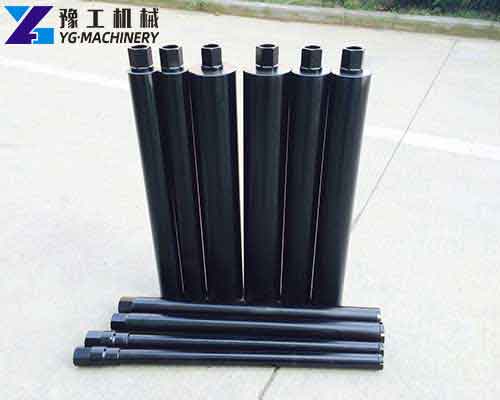
A5: Yes, you can drill into medium-hard rock layers by replacing the diamond drill bit. For soft soil layers, alloy drill bits are more efficient, making it a multi-purpose machine.